
Lithium-ion batteries power everyday life from e-bikes and power tools to household electronics and energy systems. But when they fail, the consequences can be severe, and as these batteries become part of mainstream life, incidents involving battery failure and fires are becoming more common.
The Lithium-Ion Battery Systems, Risks and Safety course is relevant for anyone who uses, manages, works with, or is responsible for the safety of lithium-ion battery-powered devices; whether that’s e-mobility devices, power tools, household electronics or energy systems. It provides a clear, practical understanding of how lithium-ion batteries work, how and why they fail, and what safe practice looks like in real-world use. It also covers the role of battery management systems in keeping these batteries safe, and how to apply this knowledge when selecting, using, storing, and maintaining battery-powered devices.
The course is 100% online and self-paced, so you can work through it in one sitting or in short sessions to suit your schedule, and takes approximately 4 hours to complete. No prior technical knowledge is required, and short quizzes throughout help reinforce key concepts along the way. You’ll receive a Certificate of Completion once you’re done.

Across four focused modules taking a total of four hours, you will build system-level understanding, including:
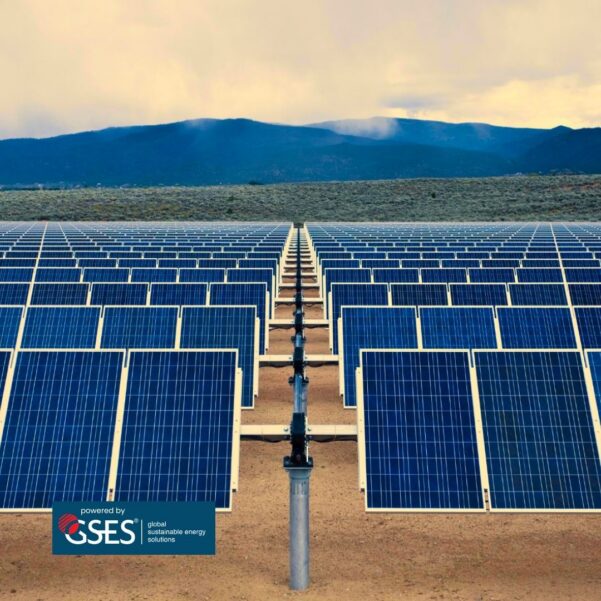
A practical introduction to single axis solar tracker systems, covering tracker designs, project risks, construction best practices and emerging technologies.

A comprehensive introduction to solar hot water systems, covering how they work, system types, design, installation, sizing and maintenance considerations.
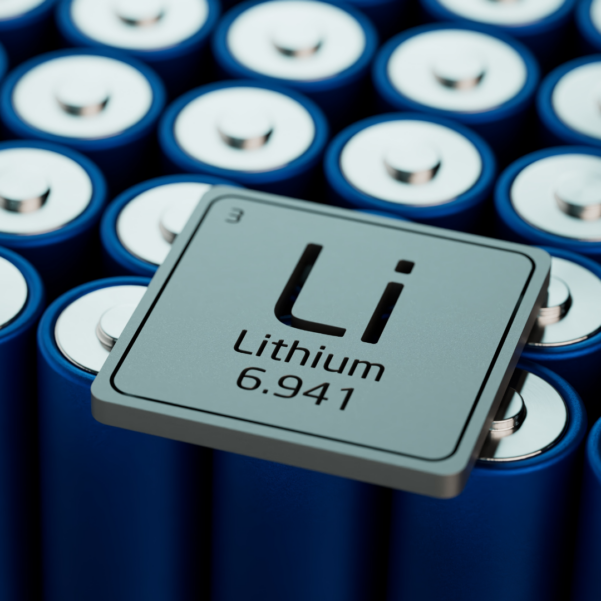
Self-paced 4-hour course with a certificate: learn to identify lithium-ion battery risks, prevent incidents and apply safer handling, storage and charging practices.
Get instant access to practical battery training delivered by local and international experts.