
Single axis solar trackers are becoming an increasingly common feature of utility-scale solar farms, helping maximise energy production by enabling solar panels to follow the sun throughout the day. As the large-scale solar industry continues to grow, there is increasing demand for workers and industry professionals who understand tracker technology, project risks, and construction best practices.
This course is designed for anyone interested in the development, construction, or operation of single axis tracker systems. Whether you are looking to expand your industry knowledge, work on a solar tracker project, or gain a better understanding of utility-scale solar technologies, this course provides a practical introduction to the fundamentals of tracker systems and their applications.
Participants will explore tracker technology, terminology, and market-leading designs before examining common project risks and the lessons learned from real-world projects. The course also covers construction best practices, extreme weather mitigation strategies, common causes of project delays, and the role of bifacial solar modules in tracker installations. Finally, learners will gain insight into emerging tracker technologies that are shaping the future of large-scale solar developments.

Here is a quick snapshot of the practical takeaways this course covers:
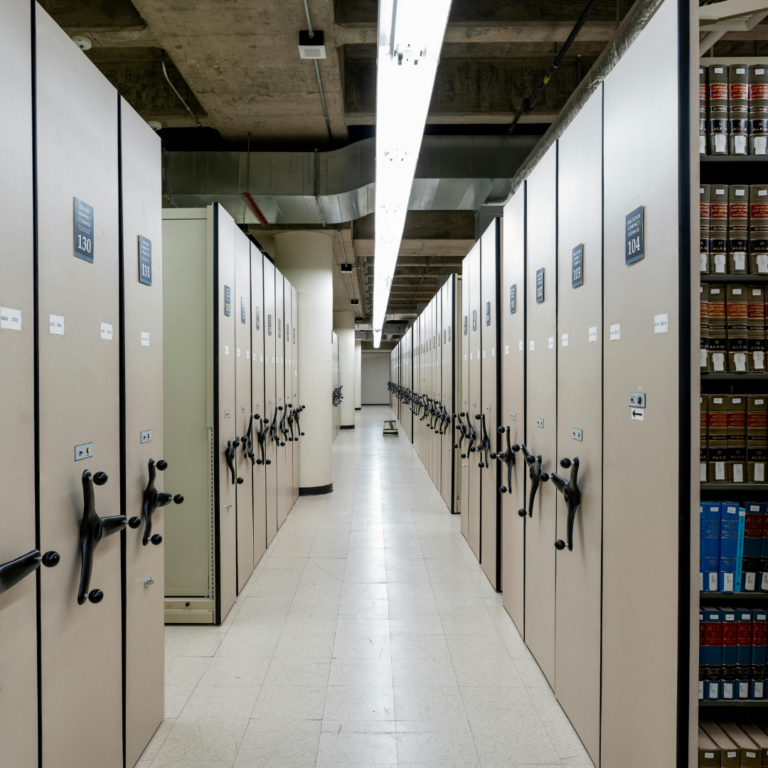
This course covers BESS installation and maintenance for electricians, technicians, installers, and operators. This course will describe key BESS components, the process and requirements for BESS installation and maintenance, and consider critical safety, electrical, and environmental considerations. Throughout the course, relevant Australian and international standards will be referenced.

The New Home Battery Technologies course covers new developments in energy storage solutions for residents, while also discussing how residents with home batteries can benefit from dynamic energy pricing.
In addition to home batteries, this course explores how emerging technologies like Virtual Power Plants (VPPs) and Vehicle-to-Everything (V2X) are redefining the relationship between residents and the grid.
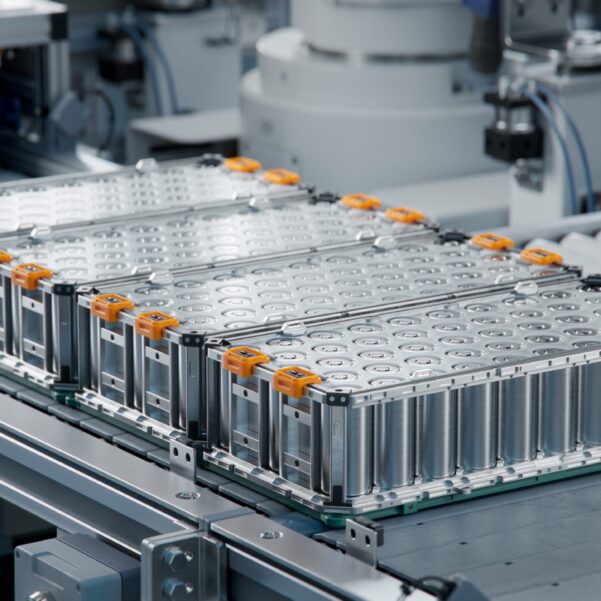
The Safe Manufacturing and Handling of Lithium-ion Batteries course covers best general safety practices in the context of a battery manufacturing environment. This course is suited to entry-level workers involved in the production or manufacturing of lithium-ion batteries.
This course starts by providing an overview of the manufacturing system before explaining the operation safety controls in place to protect workers. The later sections of the course focus on detection, escalation, and reporting of issues; all of which are undertaken to minimise future risks and make the workplace safer.
Get instant access to practical battery training delivered by local and international experts.